Friday, August 21, 2009

Ad hero, Emu & You: Stretching Creativity


You can’t blame an advertising major for wanting to quote an ad giant.

At some point in my educational career, I was told the quote, “To be interesting, you must first be interested.” I’ve always attributed the spark of brilliance to James Webb Young, an ad hero and author of the essential guide, A Technique for Producing Ideas. True or not, it sounds like something he’d say.

In his book, Young talks about great creative people being intrigued by the world around them. How great visionaries seek out random info about a variety of topics. Are you curious about hairless emus? Then read about them. Do you want to be able to name significant Roman generals? Study ancient battles. (Or sleep with the history channel blaring in the background) Young encourages people to delve deeply into areas that may not seem relevant to what they do. Why? Because a wide knowledge enables engaged, inquisitive people to see relationships that others might not. For example, the creative team who wrote this ad took two completely separate objects—a vacuum and a plane—recognized a connection, and perfectly communicated the message.


What does this have to do with PR?

PR is the work of relationships. Publicists to media contacts, authors to audiences, authors to media, the combinations are endless. What if instead of seeing possibilities through objects, we saw possibilities through people? Authors should stretch their bounds in terms of who they are having conversations with.

Fellow Twitter-ers, have you ever had that moment where you are on the page of a new follower and you’re scanning their Tweets, evaluating as you read? I do. I’ll admit it. I go through and think, is this relevant to me?
What if instead of asking ourselves if it’s relevant, we open ourselves to the new knowledge we might gain? Even if it’s out of our normal realm of Tweets.

To be interesting, you must first be interested.

In our media training, we talk about social media in terms of involvement. Participation. Being interested not in who is following you, but interested in those you follow.

Let’s step outside of social media. Authors should stretch themselves in how they position their books. See the unexpected relationships. Who can you talk to? Who can you get to listen to your book outside of your initially chosen audience? Where can you read? What cause/group can you connect with that will greater push the distribution of your message?

Example: If you wrote a children’s story about a lost mitten, go read while organizing a clothes drive.

I recently attended an Austin Association for Women in Communication’s luncheon. In a discussion on leadership, the speaker used a word I wasn’t expecting. Service. Authors, consider these questions. How can you demonstrate that your book cares about someone else & is cognizant of someone else’s issues? How does your book engage in your community? Is it based on your hometown? Is it about a group of people you met in your community? How do you and your book serve?

Don’t just entertain. Listen. Respond. Help. This is advice we should all heed, myself included. After all, as JWY may or may not have said, “To be interesting, you first must be interested."

Labels: , , , ,

Thursday, June 25, 2009

Would you like to "Tweet the Author" on Wednesdays?

You've read the book. It's awesome--but you have a question that's been nagging you since the end of chapter five.

What was the author thinking with that plot twist?!

If only the author were dropping by your local Barnes & Noble you could put him on the spot and learn more about the story behind the book.

Sigh--you live in Amarillo and it is unlikely the author is going to appear in person at your local bookstore.

What to do?

For those readers who don't have a chance to meet the author in person, how about "Tweeting the Author" on Twitter?

In an effort to connect readers with some of the coolest authors in the industry, we are pleased to announce the start of a new live weekly "Tweet the Author" discussion where great authors join a live chat with readers on Twitter on Wednesday afternoons from 1-2 PM CST.

Who will we hear from first?
Andy Andrews, best known for his book, The Traveler's Gift and now the The Noticer (Thomas Nelson) which is now sitting on the New York Times bestseller list for the sixth consecutive week.

How can I chime in?
On Wednesday, July 1st, from 1-2 PM CST Andy Andrews will tweet with readers on the #thenoticer hashtag. To join the chat just search "#thenoticer" in the right hand column and hit enter. That will allow you to bring up all of the recent "tweets" in the discussion.

At that point, type in your question or comment to Andy--but make sure you add "#thenoticer" to the end of your question so that it will be added to the current discussion and Andy will be able to respond.

Stay tuned -- a big announcement about the July 8th featured author is coming soon!

Labels: , , , ,

Thursday, January 22, 2009

The author headshot. Let’s discuss.

When it comes to headshots, we’ve seen it all. There have been writers posed with their animals – dogs, cats, even a tiger. Non sports-related authors in athletic gear on the slopes and courtside. Even shots a la “Glamour Shots by Deb” from Napolean Dynamite. Without the boa or soft camera lens effect, we have to wonder if the author on the dust jacket is the same person.

So if you invest so much in what’s inside the book, why not take just as much care with what’s on the book? Your publicist will thank you for a polished, professional headshot that is message-appropriate. When negotiating national television appearances, publicists are often required to submit a headshot and the quality of that photo – no matter how good looking you are – speaks volumes for your credibility as an author or expert source.


Do you really want that grainy photo of you in a muscle shirt when you still had a full head of hair to represent you as a respected author? Before you say cheese, consider these pointers.

DO:

  • stick with business or business casual attire.
  • add a statement necklace like chunky layered beads or turquoise. Style consultant Sherrie Mathieson, also author Forever Cool, of owns this look.
  • be truthful about your appearance with a recent photo (no outdated shots taken 10 years and 10 pounds ago).
  • invest in a professionally photographed portrait and rely on a prol for the best quality, light and digital quality.
  • offer a variety of expressions and settings. Your publicist can play up your various facets when pitching different audiences
  • match the tone of your headshot to your book’s message.

DON’T:

  • go full body. Remember, it’s a “head” shot.
  • submit photos from vacation or locations where you aren’t the primary focal point.
  • go glam. Present your true self, sans props with current makeup and hair so you are recognizable in appearance and in public.
  • overdo it, ladies. Play up one of your best features (ex. your lips or eyes ), but not both. The rules of makeup application also apply to jewelry – go with a statement necklace or bold earrings, not both.
  • careful to not overwhelm your headshot with bulky scarves and hats.

Labels: , , ,

Wednesday, January 14, 2009

This just in: Print outlets apparently not the future of media

In light of the gasping, wheezing U.S. economy and the subsequent slow death march of many long-standing print media outlets, it’s more evident than ever that the internet has become the aspiring author’s best friend.

Yes, while that coveted New York Times print book review will surely look great in your portfolio (and your publicist’s), these days you’re more likely to reach a wider and more targeted audience by having a review featured on NYTimes.com, or a Q&A posted on their popular blog Paper Cuts.

It’s a fact that more and more readers are moving online for their sole source of news and entertainment. Gone are the days of sitting around the breakfast table with the family, eating a balanced meal, and reading the newspaper. In 2009, folks are rushing out the door to work with a granola bar in their mouths and today’s headlines on their iPhones.

A journalism professor of mine put it very clearly. Speaking to a class of around 400 undergraduate students, he asked what type of media we had turned to for the news that day:

“Raise your hand if you read the newspaper this morning?”
A smattering of hands lifted around the room.

“Raise your hand if you watched a cable news network?”
A few hands more.

“And how many of you read the news online today?”
The majority of hands were raised—nearly everyone present.

And while the growing popularity of these online news sources may lead to increased competition for coverage in the future, the nature of the internet makes it a boundless resource for promotional opportunities, nevertheless.

Meaning, not only is it great for authors to garner those online book reviews, but also consider:

• Contributing helpful tip sheets and articles to writer’s interest web sites, and sites related to your expertise
• Offering to post as a guest blogger on literary blogs, or blogs related to your book’s subject
• Conducting an e-interview with a blogger for a featured Q&A on their site
• Starting and maintaining your own blog, and building your blog roll with other related sites
• Commenting on blogs that you find interesting, and building a network of online contacts

These are just a few ideas—if anyone has sure-fire, creative advice for internet publicity from personal experience, feel free to share in the comments!


Labels: , , , , ,

Thursday, November 13, 2008

Two Publicists for the Price of One

Today's post is brought to you by Wendy Kays, author of Game Widow. Wendy recently appeared on the Dr. Phil Show to discuss video game addiction. For more information on Wendy or her book, visit gamewidow.org.

Your publicity campaign is about to start, and you’re feeling a sense of relief. Finally, you’ll be handing all the effort of promoting your book to someone else! Finally, you’ll be on Oprah! Hold on, there, my friend. Before you settle too deeply into your couch of self-content, consider this. What if you could have two publicists for the price of one?

You can maximize your investment in book promotion by being a valuable assistant to your publicist. You don’t need a degree in public relations or marketing to help move your campaign to a higher level. There are five basic things you can do to make the time your publicist spends on your campaign more productive and pleasant for you both.

1. First, gather local press contact information for your publicist. After all, you know your home media best. So make a list of all the newspapers, magazines, and television shows published and broadcast near you, especially ones that cover books or topics in your general category. Then, get online and start visiting the web pages of those media. Look under the “Contact Us” or “To Report Breaking News” links for a phone and/or fax number, or email address your publicist could use. Make note of every contact method you find. If there are editor or reporter names, make a note of both the name, title, and personal contact information of the people most likely to be interested in you or your book. Using a spreadsheet to keep this information neat and easily sorted is best, but what really matters is getting it all down so your publicist doesn’t have to spend hours looking all this up when he/she could be sending out pitches and talking with people who might be interested in your book. Send this list to your publicist, and you’ve just jump-started promotion on a new local author!

2. Next, if you haven’t already done this, create alliances with other people who speak on your topic. Start with the list of celebrity endorsers you approached to praise your book publicly. If your book compliments the work they are doing, you can make an agreement to not only link to each other’s websites, but also to quote, recommend, and mention each other to customers, colleagues, and the press. This doesn’t mean talking about their book or website instead of your own. What this means is using these people as further resources for people who have come to you and are still wanting more. This is how my book, Game Widow, started capturing attention only days after publication. I’m covering a wide and sometimes controversial subject that isn’t well understood, and by working together instead of alone, my allies and I can get more press for our cause: educating and empowering non-gamers in a video game world.

3. Third, create events for your publicist to promote. Book signings are good, but also consider getting online and looking for organizations that would be interested in hearing you speak. Find calls for presenters, and submit your paperwork for groups not based in your local area, and find a contact for local groups to query. Every time you get the chance to appear formally in public as an author, let your publicist know as soon as you do. Make sure you send the name of the event, an address, a contact name and phone number, and relevant details. These details would include whether or not your appearance is to a select audience or the general public, whether it’s a speech only, or if you’ll be taking questions, etc. Even if you’re going to be sitting in a booth at a large fair, let your publicist know in case that information can be parlayed into press space.

4. Fourth, try to do everything your publicist recommends. Create a website, blog, write articles in your area of expertise for newsletters, etc. Don’t think of publicist suggestions as nice ideas, make them priorities on your list of important things to get done right now. If you don’t know how to put up a website or blog, take a class, recruit a friend, or hire someone to help. This may seem like a waste of time and money. But covering all the angles brought me national media attention before my publicity campaign had officially started, and a booking with Dr. Phil three days after publication. Don’t assume this stuff can happen down the road. My website was up, my blogging kept it at the top of the search engine listings, and other experts I linked to also recommended and linked to me. Assume that your publicist knows better than you do, reject advice rarely, and then, only go your own was for solid business reasons. You may know more about your book topic, but even I, with a PR degree, listen to my publicist as the expert before I make any promotional decision.

5. Fifth and finally, put the onus for your success on yourself…not your publicist. As someone once said, when it comes to breakfast, the chicken was involved, but the pig was committed. You’re not just contributing a book to this effort and then walking away, job done. You. Are. The. Product. Be available for questions, get your assignments and e-interviews finished early so you can get to extra credit promo work, and if the media doesn’t flock to your book, think of what more YOU can do. The publicist did everything possible, but may need more to work with. Or simply a little patience as the slow wheels of the media turn toward your offering, hidden among hundreds and thousands of other options. After all, your publicist is not the only one calling Oprah, and books are never breaking news. And some forms of media plan three months or more in advance. Much of the work done now can’t pay off until long after the campaign ends.

No matter how you fare with the media during the life of your book, when you actively contribute to the media campaign process, you put yourself in a better position to keep up the promotion momentum when the campaign comes to an end. You may not be calling or pitching the media now, but you will someday. Helping your publicist in small ways not only builds incredible good will, it also protects you from feeling like an ignoramus three months from now when you learn firsthand how hard it is to push into the news & entertainment cycle…and how good at it your publicist really was. You’ll feel a lot better about yourself, then, if you work hard and treat your publicist with respect now.

--Wendy Kays

EDITOR'S NOTE: To watch a clip of Wendy on The Dr. Phil Show, click here.

Labels: , , , , , , ,

Tuesday, July 8, 2008

Fatal Flaw #2: Saturating contacts

Making the most of the author-publicist relationship

In our continuing series on Fatal Flaws, we want to examine a commonly-held misbelief today: saturating contacts. What exactly do I mean by that?

Some authors think that if their publicist simply got his or her name out to the media, every single day, then surely the media would respond! I mean, how could CNN, The Today Show or Oprah ignore daily email reminders that you are THE definitive source on the economy/presidential elections/peregrine falcons?

Easy: those emails will never see the light of day. Why? Our media contacts will stop reading our emails, or answering our phone calls for that matter, if we're grating on their last nerve.

Asking your publicist to contact the same media contacts over and over again with breathless pitches about your expertise does two very bad things:

1. It threatens your publicist's relationship with her media contacts.

The reason why you, the author, have hired a publicist is because of her ability to create relationships with the media. She wants to help these people do their job - report the news - as much as she wants to help you get exposure. So don't ask her to contact the national top morning shows every day, or even every week, with new spins on your credentials. This hurts, rather than helps the cause. What the media wants from us are key sources at key times, and it's timing, rather than spamming, that will ultimately garner you media bookings.

2. It closes off other really cool publicity opportunities.
If you ask your publicist to constantly call/email the same type of media contacts - let's say, lifestyle editors at the top ten news dailies - then that's time she could have spent contacting other media outlets and journalists who don't know your name yet. Case in point: a parenting expert we worked with here at P&P wrote us a contributed article on airplane travel with kids. Sure, we could have pitched that to family editors, who likely get similar pitches all the time. Instead, we tried travel editors - and got that story placed in the New York Daily News. The lesson here? Trust your publicist to know where your main media potential is - she'll keep following up with those contacts, don't you worry - but always help her think of new and different shows, publications, editors, etc. that might want to hear your message too.

Labels: , , ,

Thursday, July 3, 2008

Part One: Fatal flaws of authors

Making the most of the author-publicist relationship

Good stories and fatal flaws are synonymous. Just as long as the fatal flaw isn't yours and doesn't rear its head during the media campaign, right?

At the core of an effective book publicity campaign is a good working relationship between author and publicist, a partnership. To help you get the most out of yours - ensuring your publicist is in your court, is a champion for your cause and has a good rapport with you and your camp - we'll post a five-part series this week unveiling the most common "fatal flaws" of authors.

Fatal flaw #1: Overcommunicating.
Some clients need a little extra hand-holding and that's ok. (Don't we all sometimes?) The author should be in the know and it is our job as professional communicators to communicate plans, progress and feedback from media. So communication is key, but overcommunicating can be fatal.

Your publicist is likely serving multiple clients so 30 minute chats here and there can add up. Over-the-top client communication can, when compounded, detract from pitching time. So how do you strike a balance between keeping the lines open and over-the-top?

Here are some starters:
  1. Don't bog your publicist down with voicemails liek "This is Jane Doe, please call." Leave details on the voicemail so your publicist is clear on the nature of your need.
  2. Rather than shooting off several short emails from your Blackberry, compile your thoughts for the day into one email, in bullet form so you can be sure all your questions are addressed.
  3. Set up a regular weekly call with your publicist to discuss plans and set goals.
  4. Make sure your publicist has a dependable method for reporting on a regular basis.
  5. Don't worry about calling to see if the producers from the national morning shows called back to book, we'll call you.

Stop by tomorrow for fatal flaw #2, saturating media contacts.

Labels: , , , ,

Tuesday, April 22, 2008

Paging Sloane Crosley


If you are at all involved in book publicity, chances are you've heard of Ms. Crosley, and her recently-released book, "I Was Told There'd Be Cake."

By all accounts, it is a delightful collection of essays surrounding the mid-20's experience. It is published by Penguin. She herself is a book publicist in New York, is buddies with Candace Bushnell, and has dated Moby. Oh, and she sometimes moonlights for The Village Voice.

God I hate her.

Kidding! In fact, Sloane Crosley seems not only nice, but worth modeling ourselves after, if you're a publicist. Here is what Lockhart Steele (what a name!), former managing editor of Gawker, had to say about Sloane:


“[Sloane is unique] among media people. You deal with so much b******t from people and so much b******t from publicists trying to tell you this is great or this is the next great American novelist.”

And Leon Neyfakh in the New York Observer:

"Ms. Crosley, by comparison, cuts to the chase with editors and writers, and conscientiously tailors her pitches to suit their tastes. In other words, where publicists of all kinds—for movies, books, socialites and dentists—have created a giant wall of noise, Ms. Crosley manages to be heard above the racket, recommending her writers and titles to others with a gentle caress instead of a swift kick."

First of all - dentists have publicists?

Second - Sloane sounds like a fine example of the publicist who has transcended all publicist stereotypes. You know the ones I'm talking about. Loud. Chirpy. Substance-less. Hooray for Sloane for giving book publicists a good - nay, aspiration-worthy! - name.

But here is the number one thing I want to point out about Sloane. And it isn't the fact that her parents apparently named her after Ferris' girlfriend in Ferris Bueller's Day Off.

When Sloane is not a publicist, she is an accomplished writer.

Leon again:
"Like a lot of book publicists, [Sloane] has wanted to be a writer all along. She majored in creative writing and did summer internships at Mirabella and The New Yorker. When she graduated and moved to New York in 2000, she did so with the intention of finding a job at a magazine."

Oh Sloane! I see myself in you!

Publicists, how many of us out there secretly yearn to see our name in bylines? On books? Just like our authors!

I think it's worth it for all of us to have a side writing project, outside of book publicity - even if it's a private diary that no one else sees, or a LiveJournal account you maintain under a teenage pseudonym (imagine everyone's surprise when GrrlSuperstar1992 publishes her first novel!). Perhaps the reason everyone, from media to authors, looooove Sloane Crosley is very simple: she is also a writer. She knows what writers want - authors want to be understood, media wants good stories.

So book publicists, can you hear me? It's time to join ranks with our author clients. Sloane Crosleys or not - it never hurts us to be better writers.

Labels: , , , ,

Monday, April 14, 2008

Honing your media instincts

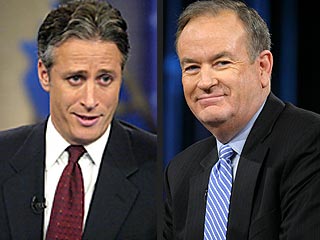
(Or, The Difference Between Jon Stewart and Bill O'Reilly)


We’ve all got our fair share of obsessions. Sports teams. Shoes. American Idol. As a publicist, I cultivate one my obsessions daily, on an almost an hour-by-hour basis: the news. It’s my job to stay as informed as possible, across a wide range of media genres. Sure, I caught the last presidential speech on CNN. But did I catch the commentary on The 700 Club? The Daily Show? Bill O’Reilly? Much as we’d like to believe in journalistic objectivity, the news isn’t purist. There’s always a smidgen of opinion, because different news outlets serve different news audiences.

If you think you’ve got a newsworthy book or message, that’s great! But it’s only the first step. I’m going to teach you how to watch / read the news with a publicist’s eye. Not all media outlets are created equal, and neither are books and authors. The trick is to know how to package your message for different audiences, using verbage that is compelling, and angles that are timely.

1.Go on a media diet.
For most diets, you have to give up something: carbs, calories, wheat gluten. For a media diet however, you’ll want to consume as much as possible, so as to familiarize yourself with the types of stories used by different outlets.

Here are a couple of stories taken from CNN.com’s website:
“NFL considering ban on long hair”
“Dad faces son's alleged killer, sees hope”

Now, here are a couple of stories taken from iVillage.com’s website, on the same day:
“Get your gossip fix now!”
“Chocolate: A health food?”

Given that quick glance, what could you tell me about CNN’s vs. iVillage’s audiences? Would you say one attracts more females? Exactly. If you’re an NFL expert, you won’t pitch the long-hair-ban story to iVillage. It’s not for them. Different news outlets go for different material, so a media diet will allow you to pick out those that are most in-line with your message.

2. Get your buzzword on.
What’s a buzzword? “Bromance.” “Feme-ssance.” “Mompreneur.” You get the idea: made-up words (or phrases) that create puns out of a trendy concept. Bromances are male-bonding buddy movies (like Superbad), the Feme-ssance describes women who, mid-life, find themselves again (like the book Eat, Pray, Love), Mompreneurs are mothers who have gone into business (like stay-at-home-mom-turned-Food Network personality, Paula Deen).

Inventing buzzwords isn’t easy, and definitely takes a little practice. When you see on in the news, write it down for future inspiration – it could come in handy later. Here’s another key: all buzzwords point to trends or hot topics happening right now. We would never refer to Mick Jagger and ex-wife Bianca as “Mianca,” would we? But perhaps you’ve heard of “Brangelina.” So, before you go wild creating buzzwords centered around your message, first devote some serious energy to understanding why your message is relevant and timely.

3. Recognize the difference between hot and evergreen stories.
Mother’s Day comes once every year, on an exact date. Fortunately, political scandals do not. But both have media potential.

If your book, message, and expertise relates to an annual event or time period – say, summertime, or President’s Day – offer the media a fresh look at these well-known time markers. Are you an environmental expert? Offer some ideas on green summer vacations. Are you a financial expert? The public always needs tips on money and savings, so offer tips for saving on your home payments. That is what’s called an “evergreen” angle, but you still want to tie it into sometime that’s going on right now: home foreclosures, for example. It may be evergreen, but the operative word in news is new, and the media looks for timely inflections of lasting issues.

A hot news story may not have a long shelf-life: a young starlet’s pregnancy, a governor’s sundry affair, etc. The media outlets who run these stories aren’t interested in tip sheets or cutesy sidebars – usually. They’re interested in expert commentary, an insider’s view, etc. – people in the know who can explain why this happened, and the repercussions of such an event. Know when your message (and perhaps more importantly, your credentials) is appropriate for these stories. And when it’s not, back off - there’s nothing more annoying to media than fame-seekers desperate for a little airtime! Don’t worry: the perfect story for you will come in time.

4. Have perfect timing.
Different media outlets have incredibly different lead-times. Daily newspapers? Anywhere from a few weeks to a few hours. Monthly magazines? Whole seasons. Sometimes, it’ll be December, and one of my author clients will say something like, “I have an awesome holiday story idea – let’s call Family Circle!” Sorry…they did their holiday stories back in August.

On the flip side, daily newspapers and TV news programs move very quickly. Did a presidential candidate just drop out of the race? If you’re a political expert, then move! You can offer insight into how this will change the direction of the presidential race, what strategies the remaining candidates will use now, etc. If a top-tier outlet is interested in your expertise, be gracious and offer the exclusive (frequently the only way to seal the deal with them anyway). A zillion publicists and expert sources will be after the news in the days to come after a big story breaks, so get your voice in early.

When you watch or read the news, it’s important to know when to jump – and even if it’s a hot story, keep in mind that your message may be more appropriate for delayed, in-depth coverage after the story has broken. This is especially true if your credentials are more abstract an academic: say, a political science professor commenting on the presidential race, rather than a political advisor directly involved in the race.

BOTTOM LINE

Watching the news as a well-informed citizen is different than watching the news like a publicist. Honing your media instincts will give you the ability to come up with story angles for your message that are creative, appealing, and timely. Plus, it’s a great excuse to be a little indulgent: sure, you’ve got your daily NPR fill, but have you checked out PerezHilton.com today? If anyone calls you on it, just tell them it’s “research.”

Labels: , , ,

Thursday, March 27, 2008

I-report, You-report, We all scream for I-report


I just used CNN's new iReport function for publicity purposes this week, to promote our young star Isamu Fukui, author of Truancy. I stumbled upon it accidentally, while nominating him for CNN's "Young People Who Rock" - and, lo and behold, my pitch showed up on iReport's website. Check it out here:

http://www.ireport.com/docs/DOC-5837

The site doesn't format your pitch, doing away with well-organized paragraphs and stand-alone sentences - take that, rhetoricians - but it does give you the ability to rate stories and add comments. The Isamu pitch already got one comment and a couple of ratings, so after you check it out, I encourage you to add your 2 cents in. Because after writing a novel in a single summer at the age of 15, Isamu Fukui is definitely a young person who rocks, no?

Here's more about iReport:
"Welcome to a brand new beta site for uncensored, user-powered news. CNN built the tools, you take it from there. All the stories here are user-generated and instant: CNN does not vet or verify their authenticity or accuracy before they post. The ones with the "On CNN" stamp have been vetted and used in CNN news coverage."

Sounds like a good tool for those of us interested in generating more word-of-mouth publicity for our authors and books.

Labels: , , ,

Wednesday, March 12, 2008

SXSW: What rockstars can teach authors


Here in Austin, the SXSW Music Festival kicks off this week. From now until Sunday, things will get a little crazy: Psyched music fans from all over descend on the city. Music gods like Lou Reed mix among mere mortals. And rockstars will do what they do best: party, trash hotel rooms, and leave a thousand besotted groupies in their wake.

At least, that's what they'd have you think.

In reality, being a rockstar is a lot of hard work - and especially in a competitive music scene like Austin. Take rock / indie outfit White Denim. In 2007, they were named "Band of the Year" here in Austin. In 2004, I met the bassist when the band was just getting started, and he taped his glasses together (he may still do this - more on that in a minute). When this individual wasn't practicing with his band, he certainly wasn't trashing hotel rooms: as a matter of fact, he was a teacher. And nearly three years - three years! - since his band's first gig, this talented little trio is finally getting the recognition they deserve, in such illustrious music publications as - wait for it - Rolling Stone.

Rockstars work very hard to get their name out to the public, and since few have the luxury of a publicist, they learn promotion tricks along the way. Here are a few tips you can borrow from their playbook.

1. Nail down your image.

My friend the bassist, in all likelihood, probably still tapes his glasses together. Why? Because he's in a garage band - not a strings quartet. It's "cool" for him to look a little bit messy. Amy Winehouse is also a SXSW veteran - talk about a distinct image. So what's yours? When you make author appearances - whether it be to an agent, a publishing company, or a book signing - remember the power of first impressions. Selling your message involves more than words: it involves an image of you, as an author, that people will remember.

2. Book gigs.
Bands typically book at least a show a month, or up to 10 if they're touring. If you are lucky enough to have a published book ready to show to the public, do not underestimate the power of live appearances. Think of it like market research: who's stopping by your table? Who's attending your talks? Are they young, old, somewhere in between? Mostly men, or mostly women? This brings us to...

3. Listen to your fans.
Sometimes, that sweet guitar riff a band busts out on stage falls totally flat with the audience - um, hello? That's not in the song? If you've got critics - readers, editors, or just trusted advisors to whom you've shown your manuscript - be open to suggestions for improvement. Why? As an author, you're building a platform, and as fantastic as your message is, no one will read it if the words aren't appealing.

4. Rock the festivals.
Over 1700 bands play here in Austin for SXSW. Can you believe that? And of those 1700, a handful create the kind of buzz that eventually launches a successful music career. Maybe you've heard of Norah Jones? So, even if your manuscript isn't complete yet, start attending your nearest book festival, and get a feel for the atmosphere there. Where does your message fit? How are authors presenting themselves? What promo tricks work really well? Are they handing out bookmarks? Signing copies? Giving talks? This is key knowledge to gain as an author: publishing is one thing, posturing is quite another. And some of the most engaging authors I've ever seen just flat out know how to work a crowd: Michael Chabon, Zadie Smith, Dave Eggers.

Bottom line?

Being in the music industry involves a lot of self-promotion at first. Sure, once you get signed, get an agent, get a manager, etc. it's cake, right? Maybe. But even rockstars have to overcome hurdles at first, just like Cordozar Calvin Broadus, Jr. - better known as Snoop Dogg. ("Cordozar?" Seriously?). But, awful names aside, great rockstars, just like great authors, know how to play the promo game. Do it well, and maybe someday, you too can have groupies.

Labels: , , , , ,

Friday, February 15, 2008

Pitching a publicity firm: A guide for authors

Many authors don’t realize that pitching your book to a top publicity firm is a lot like pitching it to a prospective agent or publisher. Good firms are going to interview you as much as you interview them and will only take on authors that they feel are a) a good fit for their firm and b) have a message that the media is going to be interested in.

Why?

Like agents, publicists have two sets of clients. On one side publicists have the authors and publishers they represent and on the other they have the media contacts that they have built relationships with through the years. If a firm starts taking on bad books from poorly qualified authors, those media relationships get damaged and the brand takes a swift nose dive.

What key factors play into a publicity firm’s decision to take on a new author?

  • Credentials of the author
  • Timeliness of the message
  • Quality of the book
  • Realistic expectations (i.e. does not utter “I HAVE to be on Oprah”)
  • An author who is passionate about their message (i.e. willing to get up early for interviews)

All of the factors listed above play into a judgment on how much national media potential the book has and whether or not that publicist is confident they can be successful with the book. If not, there is no sense attaching the brand to an author.

So, for those of you that are out looking for a publicist to help promote your book, remember the following:

1. Do your research. There are hundreds of book publicity options out there: freelancers, boutique firms, large conglomerates and the list continues. Before you start sending your book to any of the numerous publicity firms you’ll find on the internet, it’s a good idea to take a little time to decide what’s important to you. Do you want to have one person that can throw 100 percent of their attention to you and your book? Or, is it important to you to have a team-based approach to promoting your book? Is brand recognition important? How far do you want to take your book? Thoroughly review a company’s web site and take careful consideration to how the firm (or freelancer) is presenting themselves. If you are not impressed with the way the represent themselves to you, you’ll not likely be comfortable with the way they represent your book to the media.

2. Follow the submission guidelines. If a firm says they absolutely don’t review poetry (or short stories, mysteries, or whatever genre,) don’t send them your poetry book. If a publicity firm asks you to provide a synopsis and author bio in addition to a review copy of your book (as P&P does,) do it. The reason they are asking for so much information is to get a good impression of how much potential your project has.

3. Provide any additional examples of media experience! We have a clause on our submission guidelines asking authors to provide “any other information you feel is important, such as your website address, endorsements, newspaper clippings, examples of past media experience, etc.” Now, if you haven’t received any press yet, don’t panic! It usually won’t make or break whether or not a publicity firm decides to take on a book. We like to have those interviews or press clippings as samples of any previous media coverage an author has gotten and to give us an idea of how they’ll perform on air. Go ahead and send ‘em.

4. Please provide your contact information. Believe it or not, I have received a couple of random packages from authors that contained their book and nothing else. Not even a return address on the envelope. No cover letter, no synopsis of the content, and NO CONTACT INFORMATION. I speak the truth. When you submit your book for review, make sure that you provide a good e-mail address or the phone number where you can be reached the majority of the time. And if you don’t provide contact information, please don’t call me angrily asking why you haven’t heard from anyone yet.

5. Help me help you. One of the best cover letters I’ve ever received from a prospective client contained an entire section titled, “Why is this book a good fit for Phenix & Phenix?” The author then gave several articulate, well-reasoned answers to this question. This was so nice because it gave us a good idea of where the author wanted to take his book. It also showed that the author had researched our firm and had an understanding of the characteristics we look for in books. I think this is applicable to querying agents or submitting manuscripts to publishers for consideration. Think of ways to make their lives easier. Why is it going to be advantageous for them to take a chance on you? And remember: be patient. Because of the nature of the media, publicity firms usually have a timely turnaround. Agents and publishers take longer, but think about how many manuscripts they have to go through each month!

Finding a good publicity firm is very important, but when you’ve worked so hard on your book, isn’t it worth it to be choosy? Keep these tips in mind when you start looking and remember to follow the rules when you start submitting.

Labels: , , , , ,

Friday, January 18, 2008

Media Relationships 101: Publicity from the media's perspective

As a publicist here at P&P, it’s interesting to be on the other side of media relationships. Why? I used to be the one answering pitch calls. Let me explain.

When I was a journalist, I made it a point to answer the phone – you never knew when a hot tip may be calling in. However, the voice on the other end was usually not a story insider, but a publicist plugging a new product or local talent. It was interesting to hear the different tactics they used when “pitching” story ideas to me. Some would recite a mechanical “how are you today?” before cutting me off to launch into a “That’s great, but have you heard of this great new widget...? You should really be writing a story about it...”

Like many of my colleagues, if I sensed the person on the other end of the line was reading off a teleprompter of some sort, I’d reply with the customary “uh huh’s,” but I wasn’t hearing the words that were leaving their mouth – not really. My brain had already shut off, and at this point I was just being polite by not hanging up.

Not only were those calls obnoxious, but it’s likely the publicist on the other end of the line was dreading the inevitable “I’m not interested” or “email me more information” reply that I had mentally cued up the moment they ran out of breath.

Though the majority of calls I received from publicists sounded identical to telemarketers, I also built a handful of relationships with quality publicists more interested in helping me do my job than promoting a product. As a journalist, the best publicists were the ones I didn’t view as “publicists,” but friendly people who helped me get the info I needed. They didn’t call to “pitch” me, but rather to explore ways they could help me do my job.

Now that I am working as a publicist, I have the luxury of using my experience as a journalist to my advantage. Our founder, Leann Phenix, was no different. Having worked in the media before founding P&P back in 1994, she knew that to effectively promote books, you can’t “promote books,” but rather pitch ideas based on building relationships with media contacts. To this day we consider our media contacts our most important client base—and it’s our job as publicists is to keep them as happy as possible.

So, how can you go about building relationships with the media? Here are a few things that I focus on when working with top media contacts:

Phone pitching can be one of the most intimidating aspects of promoting a book. For those authors that do not have established media relationships, here are a few tips for successful phone pitching:

-Be nice and personable.
Leading straight into your pitch for the sake of brevity isn’t effective. Instead, ask if they are following the ___ story, and if so, you’ve got someone they might be interested in.

-Know when to call.
3:00pm – 5:00pm: Typical daily newspaper deadline
10:00am – 11:00am: TV morning show planning meetings

-Make non-pitch phone calls/emails.
Not every correspondence has to be a pitch. I loved it when people called me just to say they liked my last piece, and I remembered them, too. Plus, it pays off: Catherine Saillant at the LA Times says:

"Being friendly is a big part of building relationships with us. Just let us know that you’ve read a story recently. If I did a piece (which I did) on mobile home park conversion, then a good call would include your referencing the piece and saying, for example, that you represent an expert on law around that issue. If it’s a continuing story — which stories about legislations usually are — then I might be able to come back to the expert later."

-Always offer to follow up your phone call with an email.
Carrie Crow from Rare Magazine writes:

“Offer to email me a document with a recap of everything discussed, with elaboration on the full story pitch. Funny thing – half the time, I never even get the follow-up document…but, when I do, 9 times out of 10 I find a way to work it into the mag (since the person went to the effort.)

Crafting pitches / pitch lists is an artform for good publicists. The key to putting together pitch lists is effectively targeting specific contacts that are appropriate for a certain story idea. Assuming you are pitching members of the media that cover your topic, here are a few ways to improve your pitch:

-Always mention previous hits.
The media tends to take other media seriously. Stefanie Boe from KOLD-TV in Tucson (a CBS affiliate) writes, in reference to good guest ideas: “stars are always a hit.” If you or your author has been on Oprah, The Mancow Show, or even a local affiliate, highlight the media experience in your pitch.

-Don’t underestimate the power of contributed articles.
Even if you have to put in a lot of time writing or editing the piece, it’s worth it! In the best case scenario, an author can be quoted or used in a syndicated story, which is a great way to rack up national print exposure. OR a TV producer can read the piece, and call to invite an author to be on the program. Both have happened to our clients within the past few months. So for almost every client I work with, I require them to write me something that I can use down the road – it never, ever hurts, since you’re doing the journalist’s work for them.

-For breaking news, have contact information READY.
It’s likely a news source doesn’t want to formally “set up an interview” with a source on the day a huge story breaks – they just want to call them, now. Lidia Pringle from United Press International writes:

“Make sure the client you're writing about is available for interviews (and not out of the country or otherwise unreachable). Make sure your client is willing to talk to the press – with our without you formally setting up an interview, since a reporter may call/email directly. Work with your client, prepping him/her for using media-friendly language, or being ready to explain complex issues in reader-friendly fashion.”

-Know your “people.”
Do you pitch to lifestyle editors often? Again, a great way to build relationships is to call without a specific pitch for them. I sometimes call contacts to give kudos for a recent article or comment on a story I know they have been working on. I want certain beat reporters and editors / producers who ALWAYS write on /air similar topics to know me, since I’ll likely have clients in the future they can use. You want the same name recognition. Even if you are a publicist with an established brand behind you (be it a publishing house or PR firm), you still want them to know YOUR name.

Mailing packages / responding to requests is another important part of securing coverage for clients. What can you do to give your package the best chance at being opened?

-Add a personal touch.
Half the battle with huge media is getting them to open the package. Take a tour of your local newsroom for proof: there, you'll see unopened packages stacked high on journalists’ desks (especially book review editors). Still, with media outlets you really want to score a booking with, try something unique. Stefanie Boe at KOLD-TV says that she used to get packages from a guy who sent her candy with his pitches. “It wasn’t necessary at all, but a nice touch – and it helped me remember him. Each time I opened one, I’d say ‘oh yeah, the candy guy!’” I haven’t tried candy yet, but I do add a handwritten note to some of my packages – and have indeed scored bookings this way.

-Beware of “cold mailing.”
Media people often don’t know what to do with packages out of nowhere that arrive with no contextualizing information – even press materials don’t get the job done sometimes. So include a cover letter with big mail-outs, explaining who the author is, and why they’d make a good guest/contributor.

THE BOTTOM LINE
Media appreciates PR people/authors who feel like they are trying their hardest to help them. The best feeling is having a reporter or producer thank you for passing along a great guest, or getting them a desperately-needed source in the nick of time. Not only are you able to score a booking, but you will also be kept in mind for future guest ideas!

Labels: , , , ,

Friday, November 30, 2007

Publishing is not for the faint of heart.

There’s a proverb that goes, “Competition is the whetstone of talent.” If you’re in a competition with someone, does it push you to try a little harder?

The publishing industry is certainly not an uncompetitive one. The big publishing houses are always looking for the next best seller. Conn and Hal Iggulden’s Dangerous Book for Boys shot to the top of the best seller list shortly after its release in the U.S. last May. The book, published by Harper Collins, remains at number three on Amazon’s best seller list. It covers the topics “every boy should know,” including how to build a tree house, diagrams of the Battle of Waterloo and how to tie various knots. Now from Feiwel & Friends, the children’s imprint of Holtzbrinck, comes For Boys Only: The Biggest Baddest Book Ever. The back cover blurb paints it in the same vein as Dangerous, except a little more intensity in the content. Boys can supposedly learn how to land an airplane in an emergency, make a blockbuster movie and find buried treasure. Both Harper Collins and Holtzbrinck have the ladies covered as well with The Daring Book for Girls and the forthcoming For Girls Only, respectively. Then, of course there is the controversial example of Jessica Seinfeld’s Deceptively Delicious cookbook (from Harper Collins) and Missy Chase Lapine’s The Sneaky Chef (from Running Press.) The books are eerily similar and whether or not their similarities were calculated or coincidental was the gossipy publishing debate this summer. For Lapine, it probably became difficult to successfully set her book apart from one authored by Jessica Seinfeld. Yes, THAT Seinfeld. Deceptively Delicious remains at the top of the best seller list.

Literary agents want a manuscript that shines amongst their sea of submissions. Sometimes it all hinges on a title being compelling as to whether or not an agent will request a “full” after reading your query letter. From our PR perspective, when we look at the media potential of a book we always have to consider what’s already out there. This especially becomes important when the book fits in to saturated genres like Business and Self-Help. What makes your personal finance guide for twenty-something women different or better than the very successful On My Own Two Feet or a book by Suze Orman?

Don’t panic! You don’t have to have a famous last name to get your book noticed. Here are some things to remember if you’re thinking about jumping in to the shark infested waters of the publishing industry:

  • Credentials. An author’s credentials can really set a title apart and can help a publicist position the message as new, dynamic and just plain different. Moreover, consumers want information from a trustworthy source. For example, let’s say we have two books that teach you how to plan for retirement. Author A is a financial whiz kid. In addition to her amazing academic resume, she worked for several years at one of the “Big Four” auditing firms and Fidelity Investments. Later in her career, she began her own financial planning agency and recognized the need to share her knowledge with the burgeoning baby boomer demographic, specifically women. Author B has an identical resume and an identical goal. But, Author B has also carved out quite a niche for herself on the internet with a financial planning blog that receives over 500 unique visitors each day and a Q & A forum on her website. This has led to her second career as a speaker on financial issues that affect women. Thus, Author B has a larger platform and it might give her an edge when it comes to querying agents and when her publicist pitches her as an expert source to media outlets.
  • Content. With over 175,000 books published each year, there are bound to be some similarities between titles. However, if you feel you have a unique message or (sticking with the financial planning motif) a new, better way for consumers to manage their nest egg, don’t be afraid to put pen to paper. As far as fiction is concerned, remember that people have many different tastes. If you’re a little bit less than confident about your writing skills, join a local writers group or attend workshops in your local area that offer the opportunity to meet with editors throughout the year. Also, you can seek out the services of a reputable, freelance editor to help you with your grammar and mechanics. When you’re ready to start writing, it helps to think like a publicist. Think “media potential” throughout the writing process. What news cycles will be best for your book? What issues covered in your book can be connected to staple media topics?

So, what are you waiting for? Get started already! You’ll never know if you can run with the big dogs if you don’t try. Start looking at ways to enhance your resume and build up your “street cred.” If you’re in the midst of the writing process, start thinking about the media potential of your book.

Labels: , , , , ,

Thursday, November 15, 2007

Social networking for authors, Entering Hades, props to Norman Mailer

What can authors learn from the social networking efforts of Coca Cola?

Social networking platforms, like blogs, can do wonders for increasing your web presence. What is a “social networking platform” you ask? Without descending into the depths of geekery, it’s a web tool that brings people with like interests and activities together. MySpace, LinkedIn, and Facebook are excellent examples. More and more corporations have started using these social networking sites to their advantage. It helps with brand awareness, dispels information to potentially millions of unique visitors, and can help position a company to a broader demographic range. Some great examples of companies jumping on the social media wagon include recent Cherry Coke and Adidas media campaigns on MySpace. Adidas currently has 80,879 friends. P&P has a MySpace page where we count authors and media contacts in our FriendSpace. It’s been a great networking tool for us. If you’re an author looking for a dynamic way to get your message out there, it might be time to try a social networking site. MySpace is one of the most popular among authors. It’s easy to set up, and it’s free.


John Leake’s Entering Hades-The Double Life of a Serial Killer published amid excellent reviews

Entering Hades (Sarah Crichton Books/ Farrar, Strauss & Giroux, November 2007) is the true crime story of serial killer Jack Unterweger and his international reign of terror throughout the last quarter of the twentieth century. It’s an interesting, albeit gruesome look at one of the most sadistic, meticulous serial killers in recent memory. Leake, a native of Dallas, has already received great reviews for his well researched look into the twisted mind of Unterweger. Check out his mention in the Texas Pages, the books blog of the Dallas Morning News. The book’s private launch party is this evening in Dallas. For more information, including his list of upcoming appearances, please visit Leake’s website.

Norman Mailer passes away at the age of 84

Prolific American novelist, playwright, journalist and screenwriter passed away last Saturday. Professionally, Mailer was perhaps best known for his 1948 piece The Naked and The Dead and his 1979 book The Executioner’s Song, for which he was awarded the Pulitzer Prize. He was considered one of the preeminent innovators of the creative nonfiction genre and was a founder of The Village Voice, now one of the country’s most well-known alternative weeklies. Clearly, Mailer did so much for American literature. He had a colorful life that included six marriages, nine children and a run for mayor of New York City. Gay Talese told the Associated Press, "He could do anything he wanted to do — the movie business, writing, theater, politics. He never thought the boundaries were restricted. He‘d go anywhere and try anything. He was a courageous person, a great person, fully confident, with a great sense of optimism." The Economist sums him up best. (registration may be required)

Labels: , , , , , ,