Monday, November 19, 2007

What the “It Girl” Knows: The Power of Charm
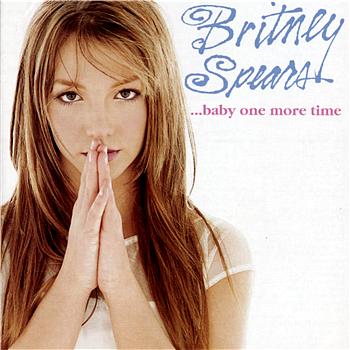


There’s a reason Britney Spears is still the name on everybody’s lips.

No, she’s not the model of parenting. Yes, she has a well-documented substance abuse problem. But for her fans – of which there are still legions – this is a time of mourning for the Southern success story Britney Spears once was. Say what you will about her music, but girl knew how to give an interview. Don’t believe me? Observe:

http://www.youtube.com/watch?v=QWjXCq40Ds0&feature=related

Engaging. Self-deprecating. Plenty of laughter, smiles, and polite thank-you’s for her companion, Rosie O’Donnell (and enough charm to make up for that outfit, no?). Ultimately, Britney knew this truth of artists: in an interview, it is not your product you are selling. You are selling yourself.

PR professionals know this all too well. Here at Phenix & Phenix, we train our authors to give interviews that are compelling, to-the-point, and memorable. But of all the pointers we offer – mention your book title this many times, always use a landline telephone for phoner interviews – I think the most important tip for any author is simply this: charm your reporter.

Easier said than done, I know. But the reason I believe rapport-building is so crucial is that I used to be a reporter myself, and the sources I enjoyed speaking to most – indeed, returned to time and time again for stories – were the ones who made me laugh, were polite, interesting, asked me about my day, etc.

The advice is somewhat self-evident. However, I want to share two stories with you from a reporter’s point of view that will hopefully illustrate my meaning.

In college, I interviewed a very esteemed author for my school newspaper. Now, this is an author who has published 35 novels and 30 short story collections, is the recipient of a Pulitzer and a National Book Award, and has a hallowed place in Oprah’s Book Club: in other words, a freak of intellectual nature. So she doesn’t exactly need the media anymore (and certainly not the Southwestern Megaphone) to increase her fame. And it’s a good thing for her. Because as an interview subject, she is beyond terrifying.

Me: So! Tell me about your new book.
Very Esteemed Author: I thought you had read it.
Me: Oh, yes, I have – um, almost finished! – but for our readers…
VEA: I did very little research.
Me: On the book’s subject, Marilyn Monroe, you mean?
VEA: (Withering tone) Yes.
Me: Huh! Isn’t that something. So what inspired you to write about Marilyn Monroe?
VEA: Are you a runner?
Me: Pardon?
VEA: RUN. DO YOU RUN.
Me: Oh, uh, yes…from time to time I like a good run. Um, how about you?

…And it only got more awkward. That is because this author’s genius is so large that she is not a mere mortal who speaks like mere mortals do. Anyway, I was happy to finish the interview early, write my story, and never get back in touch with her again for a follow-up interview. Yikes.

My second story does not involve an author, but a tattoo artist named Bob. Bob runs a small tattoo studio here in Austin that’s been around since the 70s, and is world-famous among industry types. When I walked into his shop, he immediately invited me to take a seat. Asked me how I was doing, offered me tea. Before I knew it, an hour had passed, and what was supposed to be an “interview” turned into an intimate conversation in which Bob told me funny stories from his life, listened to my questions as if they were the most fascinating queries ever posed, laughed often and heartily. He was authentic, he was kind, he was utterly charming. I loved talking to him.

By the end of our interview, I felt so comfortable with this man that I did the unthinkable (for me, anyway): I asked Bob to give me a tattoo. My first.

As an author, it’s obviously not tattoos you’re selling, but your book. Likewise, when the “It Girl” of the month makes her rounds to Conan, Regis & Kelly - all the hot exposure stops – you’ll notice she spends just a fraction of the time talking about her latest movie/CD/signature fragrance, and more time just being generally pleasant while answering the interviewer’s questions. This is tough to do when you are Paris Hilton, you’re launching a new perfume, and all David Letterman wants to discuss with you is…jail food. And jail outfits. And like a champ, she indulged him.

Here at P&P we emphasize the importance of using supporting statistics during your interview, as well as frequent mentions of your credentials, along with other tips that are absolutely helpful. But for the example at the tattoo parlor, I was actually there to interview someone else – a different artist at the same studio – and I ended up writing the story using mostly quotes from Bob because he was more fun to talk to.

So my #1 Interview Tip is this, authors: get thee to Charm School. To get on a reporter’s good side, it’s not just your book you’re selling. It’s you.

Labels: , , ,

Tuesday, October 30, 2007

Wait, did you say pre-interview?!


You just arrive home from picking the kids up at school and the light is blinking on your answering machine. As you start to listen to the message you realize it is your publicist—you know she’s been working hard to get the message out but you are sick and tired of writing contributed pieces. She warned you before the campaign started that it was going to be time-consuming but she’s working you like a dog and you just can’t churn out another article this afternoon.

As she begins her message the tone of her voice let's you know she’s excited: "Just wanted to give you the news that my contact at NPR has finally got back to me and...they’re interested!"

Yes! Terry Gross here I come, you think. You begin planning the afternoon—your agent will be thrilled with the national interview and the other members of your writers group will be so jealous. In your haste to cheer with friends you almost miss the catch at the end of the message.

Hang on, did she say “pre-interview?” Gulp.

Authors and publicists have been dealing with the dreaded pre-interview for years. It is a mainstay of the most high profile national broadcast programs, including several NPR shows, national morning shows like “The Today Show” and “Good Morning America,” syndicated daytime programs like “The Montel Williams Show” and many others.

Producers for these programs love pre-interviews because they allow them to make sure the potential guest can communicate entertaining and informative information to their audience. Authors hate pre-interviews because they know in the back of their minds that they are auditioning for the biggest interview opportunity of their career. I have seen authors get more nervous for this preliminary conversation than the interview itself.

The good news? Programs like these will only schedule a pre-interview if they are genuinely interested in having you on their program. Most authors who go through media training and are prepared to communicate their message effectively do very well in pre-interviews.

The bad news? You may never know why you did not get the interview slot but often the writing is on the wall. If your publicist knows that Kyra Phillip's producer is looking for a guest to talk to her about social networking websites in the two o’clock hour and tunes in the next day to see another “expert” featured, they know the pre-interview did not go well. Sometimes producers conduct several pre-interviews and pick the author or guest they think will bring the most to the interview. Often it does not mean that you did anything wrong but rather another interviewee had the perspective they were looking for.

What can you do to prepare for pre-interviews?

- Know your material. Your publicist will spend time prepping you on the pitch that secured interest from the producer. Make sure you know the subject matter backwards and forwards by having statistics, anecdotes and suggestions ready to go.

- Have an understanding of the angle they want you to take. Often producers are preparing a segment with opposing viewpoints and you need to be ready to back your argument to the fullest. Do not waffle on an issue during the pre-interview if you know they are expecting a strong take.

- Practice. Your publicist will be interested in prepping you for the pre-interview but also ask a friend or family member to run through a Q & A with you. Ask for honest feedback on your performance.

- Do your homework. Think like a producer as you prep for the interview. What market are they trying to reach with their program? If the show is geared for stay at home parents, leave the workplace issues out of the picture.

One thing to always remember if the pre-interview does not lead to an immediate booking is that there are always future opportunities. A great example is a client of ours, Lynette Lewis. A renowned motivational speaker in the corporate community, Lewis’ career self-help book Climbing the Ladder in Stilettos: 10 Strategies for Stepping Up to Success and Satisfaction at Work was released by Thomas Nelson in October 2006. The combination of timely tips, a positive theme and a credentialed author gave our publicity team plenty to work with. The campaign was very successful, resulting in great attention from top 100 dailies, internet outlets, and numerous radio opportunities.

The one that got away during the campaign was a pre-interview with “The Today Show” that did not end up in an appearance during the holiday season. We knew from working with Lewis that she had a lot media savvy and we remained confident that it would turn into something down the road. We got word late last week that her pre-interview had finally paid off, as she was kept in the producer’s file as a “women’s career expert” and appeared on the program yesterday. That’s right, nine months after her preliminary interview.

Pre-interviews are a part of the process for most major national media outlets and if your publicist is able to attract attention on that level, it is very important to be prepared for that opportunity. If things do not work out right away, remember that a good pre-interview may turn into additional opportunities for you down the road.

Labels: , , ,